Mindful IVF : Meditate & Relax
- 4.0
- Rating
- 10.00K
- Installs
- Free
- Price

 Analysis by App-foxy
Mindful IVF: Meditate & Relax takes a gentle, narrow approach to a difficult subject: using guided meditation to support people going through IVF. After spending time with it, I see its value less as a medical tool and more as a quiet companion for the emotional gaps between appointments, injections, tests, and decisions. That distinction matters. It does not replace a fertility specialist, and it should not be treated as treatment advice, but it can give you a simple way to pause when your mind is racing.
My overall impression is positive but specific. This is most useful for someone who already wants meditation and needs material shaped around IVF rather than general sleep, stress, or mindfulness themes. If you are looking for cycle tracking, medication reminders, clinical explanations, or direct contact with a care team, this is not the right kind of app. If you want a private routine that helps you settle before bed or regain focus after a stressful conversation, it has a clearer purpose.
What the IVF-focused design gets right
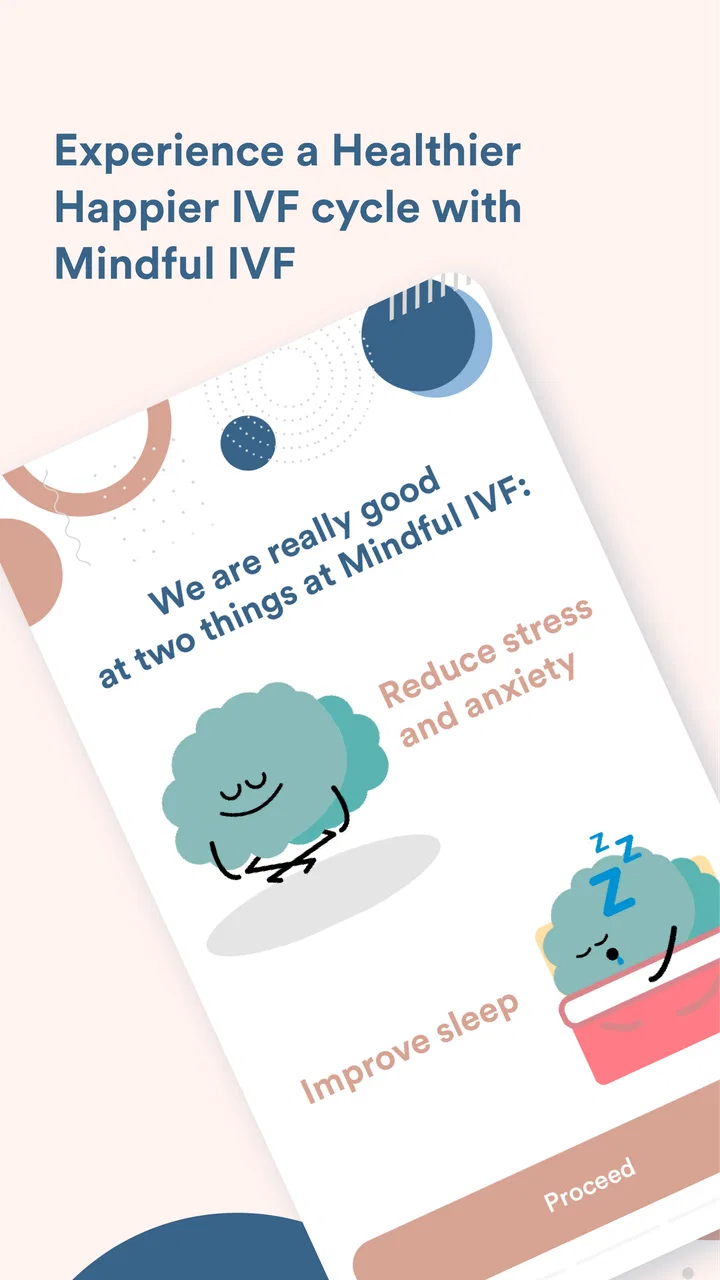
The app comes from Mindful Meditations and sits in the medical category, although I would personally think of it as a wellness companion within that space. Its store summary presents the idea of experiencing a healthier, happier IVF journey through support meditations, while the short description reduces that idea to “Mindful IVF.” In practice, the important point is the focus: the meditation experience is framed around fertility treatment rather than being a collection of completely unrelated relaxation tracks.
You May Also Like

 Pandora - Music & Podcasts
Pandora’s Music Is Easy to Start, but Harder to Recover
Pandora’s strength is its low-effort path from a seed to a station. Its weak spot is how much confidence it asks you to place in connection, setup, and quiet recovery.

 8 Ball Pool
 Is Built on Rivalries, Rematches, and Routine
A close look at the rivalries, rematches, shared routines, and unanswered safety questions that turn a quick pool match into a persistent mobile community.

 Samsung Music
’s Quiet Strength Is Playing What You Already Own
Its reach comes less from spectacle than from dependable access to a personal library. That simplicity is both the app’s strongest retention engine and its ceiling.

 AccuWeather: Weather Radar
AccuWeather Review: A Quick, Clear Forecast for Everyday Decisions
For everyday plans, the best forecast is the one you can understand quickly. AccuWeather makes rain timing, radar, and local conditions easy to act on, with a few trade-offs.

 Hill Climb Racing
Why Hill Climb Racing Still Turns Crashes Into One More Run
A tiny car, a bumpy hill and one more upgrade: Hill Climb Racing keeps resurfacing because its simple chaos makes every near-miss feel personal.

 AliExpress - Shopping App
AliExpress Makes Global Shopping Feel Personal, but Shoppers Bear the Risk
AliExpress turns a global marketplace into a pocket-sized discovery engine. Its reach is useful, its shopping loop compelling, and its trade-offs easy to miss.
More From Our News Desk
View All News


That focus changes how useful a short session can feel. General meditation apps often ask you to translate broad advice about calm, acceptance, or sleep into your own situation. During IVF, the source of tension may be very particular: waiting for a result, worrying about an upcoming procedure, feeling overwhelmed by uncertainty, or trying to create emotional distance from a phone notification. A fertility-specific meditation can feel more relevant because you do not have to explain the entire context to yourself before beginning.
I found the strongest benefit in the transition moments. The app makes sense when you have ten quiet minutes before leaving for an appointment, when you are trying to sleep after a day of medical conversations, or when you need to stop repeatedly checking messages. Those moments are easy to overlook because they are not formal parts of treatment, yet they can occupy a large amount of mental energy. A guided practice gives that energy somewhere else to go.
One practical way to use it is to create a small boundary around appointments. Rather than opening the app only when you feel completely overwhelmed, I would use one meditation before an appointment and another later in the day, depending on how you feel. The first can help you arrive with a little more steadiness; the second can prevent the appointment from dominating the rest of your evening. This is a more realistic routine than promising yourself a long daily practice during an already demanding process.
The same approach works for partners. IVF is often described through the experience of the person receiving treatment, but partners can also feel helpless, anxious, or unsure how to provide support. A meditation app gives them something constructive to do without turning every conversation into a discussion of results. It is not a substitute for talking openly, but a shared quiet routine may be easier than asking someone to “just relax.”
A useful tool for the waiting periods
Waiting is where this app has its clearest emotional role. A meditation cannot shorten the wait or change a clinical outcome, but it can interrupt the loop of imagining every possible result. I would recommend using it with a specific rule: begin a session when you notice yourself checking the same information repeatedly, and stay with the audio until it ends before deciding whether you need to check again. That turns the app into a practical interruption rather than another item on a wellness checklist.
Another worthwhile routine is to pair a session with a predictable daily activity, such as preparing for sleep or sitting quietly after work. The benefit is not that the app magically removes anxiety. The benefit is that the repeated pairing makes a small amount of calm easier to access. For someone whose day is organized around medication schedules and appointments, a meditation habit can provide one activity that is not about completing a medical task.
I also like the possibility of using it privately. Fertility treatment can involve many conversations, and not everyone wants to explain their feelings to family, friends, or colleagues. A meditation session can be a low-pressure form of support when you do not have the energy to answer questions. That privacy makes it especially suitable for people who prefer self-guided coping rather than group forums or social communities.
Where it differs from broader meditation apps
The usual alternative is a large mindfulness app with sessions for general stress, sleep, focus, or anxiety. Those services may offer more variety, polished discovery tools, and programs that cover many parts of daily life. They are a better fit if you want one meditation platform for everything, from work concentration to bedtime audio. Their weakness, from an IVF user’s perspective, is that the content may feel emotionally distant from fertility treatment.
Mindful IVF makes the opposite trade-off. Its value comes from relevance, not breadth. A person in treatment may prefer a smaller, more focused library because selecting a session from endless categories can itself become tiring. On the other hand, once your needs change, the narrow theme may feel limiting. Someone who wants help with grief, general panic, chronic insomnia, or long-term mindfulness training may get more from a broader service or from a qualified mental-health professional.
It also differs from fertility tracking and clinic-support apps. Those tools are designed around dates, symptoms, medication information, or communication. This app belongs on the emotional side of the experience. I would not use it to organize treatment, interpret a symptom, decide whether a medication is safe, or judge whether a procedure is working. Its proper role is much simpler: helping you make space for yourself while the clinical process continues.
What may frustrate you before it becomes a habit
The main limitation is the same feature that makes the app distinctive: its narrow purpose. Not every IVF user wants meditation, and not every difficult feeling responds well to a guided voice. Some people need factual explanations, immediate reassurance from a clinician, peer support, or structured therapy. If you open the app expecting it to answer medical questions or reduce uncertainty directly, you will probably find it inadequate.
There is also a personal element to guided meditation that cannot be solved by the topic alone. The wording, pace, and style of a session may suit one listener and irritate another. During treatment, even a well-intended phrase can feel too optimistic or emotionally mismatched on a bad day. I would treat the first few sessions as a test of fit rather than assuming that every meditation will work for every stage of IVF.
That is why I would avoid forcing a session when you are angry, exhausted, or in need of urgent support. You can stop and try again later. Meditation should be an option, not another performance target. If a session makes you feel as though you are failing to be calm enough, the problem is not a lack of discipline; it simply means a different kind of support may be more appropriate at that moment.
The app is free to install, which makes trying it relatively accessible. It does include in-app purchases ranging from $0.99 to $149.99 per item, so I would pay attention to what is available without buying anything and what requires payment before building a routine around particular content. The wide span between the lowest and highest listed purchase means the financial commitment can vary considerably. I would only spend money after confirming that the available sessions genuinely fit your needs and that you expect to use them repeatedly.
That purchasing model is worth considering alongside free alternatives. A free breathing exercise from a general wellness resource may be enough for someone who only needs occasional calm. A clinic, counselor, or support group may offer more meaningful help for persistent distress. The focused theme can justify paying for some users, but it does not automatically make every purchase worthwhile. My advice is to judge the app by whether it changes your routine, not by how emotionally appealing the concept sounds.
How I would fit it into a real treatment day
Imagine finishing work while waiting for an update from your clinic. You have already checked your phone several times, and you know another check will not make the message arrive faster. I would put the phone down, open one meditation, and sit somewhere separate from the place where I normally handle emails. When the session ends, I would write down any practical question that still needs attention instead of continuing to rehearse every possible outcome. This separates emotional processing from action.
On an appointment morning, I would keep the goal modest. A short session before leaving can help create a calmer starting point, but I would not use it to suppress fear or convince myself that everything will be fine. After an appointment, I would use the app only if I wanted quiet; if I needed clarification, I would contact the clinic. That distinction protects the app from being asked to solve a problem it was never designed to solve.
For sleep, I would keep the device at a comfortable distance and avoid turning the session into an excuse to continue browsing afterward. The useful part is the transition away from stimulation, not simply having audio playing in the background. If you notice that using the phone leads to more searching, notifications, or anxious reading, an offline relaxation method may serve you better on those nights.
For partners or close friends, I would not assume that sharing a meditation automatically creates emotional connection. A better approach is to invite someone to sit with you without requiring them to discuss the treatment during the session. Afterward, you can decide whether talking feels helpful. This keeps the practice supportive rather than turning it into another obligation for the person undergoing treatment.
Who should try it, and who should look elsewhere
I would recommend this app to people who are already open to meditation and want fertility-specific emotional support. It is also a reasonable choice for someone who feels uncomfortable with public support groups, wants something they can use alone, or needs a gentle routine during waiting periods. The free entry point makes experimentation easier, while the focused subject may feel more personal than a generic relaxation catalog.
I would be more cautious if you dislike guided audio, find meditation language frustrating, or want extensive customization. I would also steer you toward other help if anxiety is affecting eating, sleeping, work, relationships, or your ability to follow medical instructions. In those situations, an app can sit alongside professional support, but it should not be the main response. The same applies to urgent emotional distress: seek appropriate immediate help rather than waiting for a meditation to change how you feel.
People looking for a complete fertility-management system should skip this one. It is not the substitute for a clinic portal, medication organizer, cycle tool, or medical reference. Someone who wants a general-purpose meditation subscription may also prefer a broader app with content beyond IVF. Mindful IVF is strongest when its specific focus matches your current need; outside that situation, its specialization becomes less useful.
Practical details before downloading
The app is rated for Everyone, so its presentation is broadly accessible rather than restricted to adults. It has reached over ten thousand installs and holds a four-point average from just over a hundred ratings, with a smaller set of written reviews. I would read those signals as evidence of a modest user base and a generally favorable reception, not as proof that the experience will match your personal preferences.
It was released in June 2016 and is currently at version 7.0.11, with Android support from version 8.0 onward. Those details matter if you are using an older phone or deciding whether to install it on a device shared with a partner. I would also check the current purchase screen carefully before committing to paid material, especially if you are trying to keep treatment-related spending under control.
The developer is Mindful Meditations, and the app’s identity is clear enough that you can decide quickly whether the subject fits your situation. I appreciate that clarity. Many wellness products try to cover every possible concern, while this one speaks to a particular emotional context. The trade-off is that its usefulness may naturally decline after treatment, or whenever your main needs move toward broader mental-health support.
My final view is that Mindful IVF: Meditate & Relax is best understood as a focused coping aid, not a medical solution and not a complete fertility platform. I would recommend trying it if you want a private, IVF-centered meditation routine and are willing to judge it by how it feels in your own day. Its real strength is giving waiting time a calmer shape without pretending to control the outcome.
I would keep expectations grounded, test the free experience before considering purchases, and use it alongside—not instead of—your clinic’s advice and any emotional support you need. For the right person, that modest role is enough to make it worthwhile. For someone seeking answers, tracking, or intensive psychological care, another option will be the better choice.
FAQs for Mindful IVF : Meditate & Relax
01What is Mindful IVF: Meditate & Relax designed to help with?
Mindful IVF: Meditate & Relax is designed to support emotional well-being during fertility treatment through guided meditations, relaxation exercises, breathing practices, and calming audio content. It may help users manage stress, anxious thoughts, sleep difficulties, and emotional pressure related to IVF. The app is intended as a complementary wellness tool, not as a replacement for medical advice or professional psychological care.
02Can Mindful IVF: Meditate & Relax replace advice from my fertility specialist?
No. Mindful IVF: Meditate & Relax should not be used as a substitute for your fertility clinic, doctor, therapist, or other qualified healthcare professional. The meditations may encourage relaxation and emotional support, but they cannot diagnose conditions, improve fertility on their own, or determine whether a treatment is medically appropriate. Always follow your clinic’s instructions, especially during medication, procedures, pregnancy, or recovery.
03Is the app suitable for every stage of IVF treatment?
The app may be useful before, during, and after different stages of fertility treatment, including preparation, stimulation, procedures, waiting periods, and emotionally difficult outcomes. However, individual needs vary, and some exercises may not feel appropriate at every moment. If a meditation increases distress, causes uncomfortable emotions, or conflicts with medical instructions, stop using it and discuss your concerns with a healthcare professional.
04Does Mindful IVF: Meditate & Relax require an internet connection or subscription?
Access requirements can vary depending on the version of the app, your device, and the content you want to use. Some features may require an internet connection for streaming, while selected sessions could be available offline after downloading. The app may also include free material alongside premium content, subscriptions, or in-app purchases. Review the current store listing and pricing details before confirming a purchase.
05Is Mindful IVF: Meditate & Relax appropriate for people experiencing severe anxiety or depression?
The app can offer gentle relaxation support, but it is not designed to treat severe anxiety, depression, trauma, panic attacks, or thoughts of self-harm. Fertility treatment can be emotionally intense, so seek help from a qualified mental-health professional if symptoms feel overwhelming or interfere with daily life. In an emergency or if you may be in immediate danger, contact local emergency services or a crisis line.
Pros
- Guided sessions are tailored to fertility and IVF-related emotional needs.
- Short meditations fit easily into busy treatment schedules.
- Calming audio can help create a soothing bedtime routine.
- Simple navigation makes sessions accessible for meditation beginners.
- Useful for partners who want to practice relaxation together.
Cons
- Some content may feel repetitive during extended treatment cycles.
- The fertility-focused approach may not suit general mindfulness needs.
- A subscription may be required to unlock the complete library.
- Meditation cannot replace professional medical or psychological support.
- Benefits depend on consistent practice rather than occasional use.

Mindful IVF : Meditate & Relax
Gallery